

 See My Latest Article on HelloNation
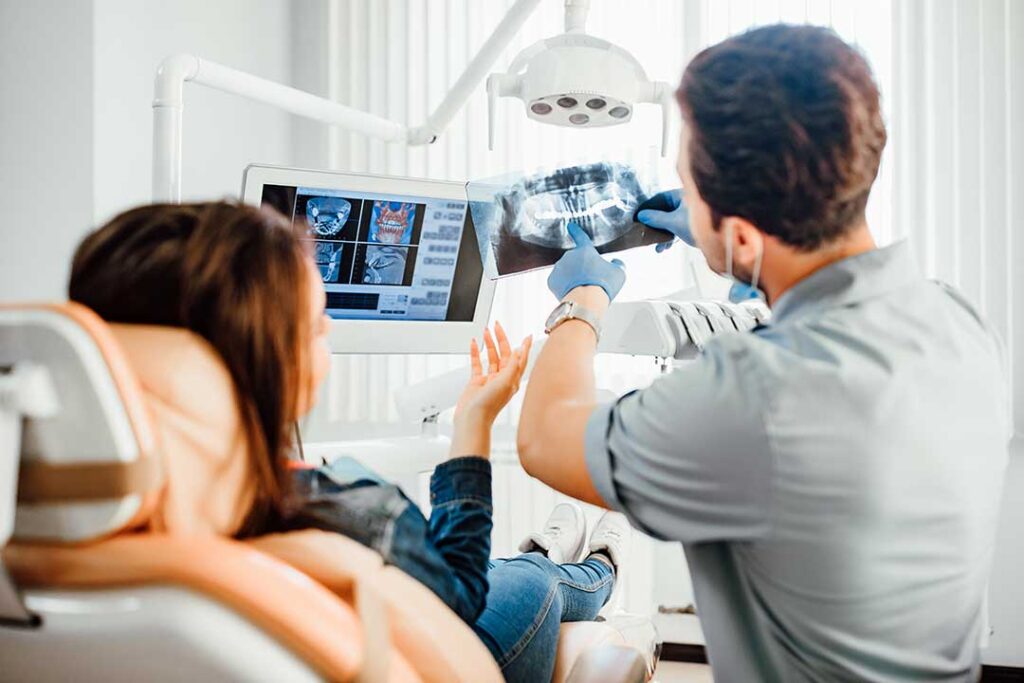
Smoking affects much more than breath and tooth color. It changes the way the gums respond to bacteria, slows healing, raises the risk of tooth loss, and contributes to oral cancer. These effects can develop gradually, so a person may not notice a serious problem until gum or bone damage has already occurred.
How does smoking harm the gums?
Smoking makes it harder for the body to control infection in the tissues surrounding the teeth. Tobacco chemicals can impair blood flow, weaken immune defenses, and interfere with the normal repair of gum tissue.
The result is a higher risk of periodontal disease, an infection that damages the gums and the bone supporting the teeth. Early gum disease may cause redness, swelling, tenderness, or bleeding. As it advances, the gums can pull away from the teeth, forming pockets where bacteria collect.
Smoking can also make gum disease harder to recognize. Nicotine may restrict blood vessels, which can reduce visible bleeding even while infection and tissue damage continue underneath the gumline. A lack of bleeding does not necessarily mean the gums are healthy.
According to public health data, adults who smoke have about twice the risk of gum disease compared with people who have never smoked. The risk generally increases with the number of cigarettes smoked and the length of time a person has smoked.
Can smoking cause loose teeth or tooth loss?
Yes. Smoking is a major contributor to severe gum disease and tooth loss.
Periodontitis gradually destroys the bone and connective tissues that hold teeth in place. As support weakens, teeth may become loose, shift position, or become painful during chewing. In advanced cases, a tooth may need to be removed.
Smoking can also reduce the effectiveness of periodontal treatment. The gums may heal more slowly, and infection may be more difficult to control. Quitting improves the environment for healing, even if gum disease has already developed.
Residents managing gum health through the changing seasons may notice that cold outdoor air and dry indoor heat increase mouth discomfort. Those conditions do not cause periodontal disease, but they can make dryness, irritation, or sensitivity more noticeable in someone whose mouth is already affected by tobacco use.
Does smoking increase cavities?
Smoking is associated with a higher risk of untreated tooth decay. Several factors may contribute, including dry mouth, changes in the mouth’s bacterial environment, tooth-root exposure from gum recession, and habits that accompany nicotine use.
Saliva helps wash away food particles, neutralize acids, and protect enamel. When the mouth feels dry, these protective functions are reduced. Dryness can increase the chance of cavities, especially around exposed roots or existing fillings.
Common signs of tobacco-related dryness may include:
- A sticky feeling in the mouth
- Difficulty swallowing dry foods
- Cracked lips
- A rough or burning tongue
- Frequent thirst
- More cavities than usual
- Increased mouth irritation
Water, sugar-free gum, and limiting sugary drinks can help support saliva flow. Persistent dry mouth should not be dismissed, particularly if it is accompanied by sores, difficulty eating, or repeated tooth decay.
What other changes can smoking cause?
Smoking commonly causes persistent bad breath and brown or yellow surface staining. It may also dull the sense of taste and smell. These changes can affect enjoyment of food and make oral hygiene feel less effective, even when brushing regularly.
Tobacco use may contribute to gum recession, exposing the roots of teeth. Root surfaces are softer than enamel and are more vulnerable to sensitivity and decay. Recession can cause discomfort with cold drinks, winter air, or toothbrushing.
Smoking also affects healing after dental procedures. Tobacco use can delay recovery after tooth removal, gum treatment, or oral surgery. It increases the risk of complications such as dry socket after an extraction and may interfere with the healing of dental implants.
Does smoking cause oral cancer?
Smoking increases the risk of cancers affecting the mouth and throat. These cancers can involve the lips, tongue, cheeks, gums, floor of the mouth, and areas at the back of the throat.
Risk is also associated with pipes, cigars, smokeless tobacco, and other tobacco products. Using tobacco together with alcohol can increase oral cancer risk further.
A mouth or throat change should be evaluated if it lasts more than two weeks, including:
- A sore that does not heal
- A white or red patch
- Unexplained bleeding
- A lump or thickened area
- Persistent numbness or pain
- Difficulty chewing, swallowing, speaking, or moving the tongue
- A change in the way dentures fit

These symptoms do not automatically mean cancer, but waiting for them to disappear can delay diagnosis of a serious condition.
Is vaping safer for dental health?
Vaping does not make oral health risk-free. Aerosols may irritate gum tissue, and many vaping products contain nicotine, which can contribute to dependence and affect circulation and healing. Some products may also promote dry mouth.
The long-term effects of vaping are still being studied. However, “smoke-free” does not mean harmless to the gums, teeth, or oral tissues. Switching products may change the type or level of exposure, but it does not eliminate the need for regular oral care or attention to warning signs.
Smokeless tobacco also carries significant risks. Chewing tobacco and snuff can cause gum recession, tooth decay, tooth loss, white patches in the mouth, and oral cancer.
What helps protect dental health while quitting?
Quitting tobacco is the most effective step for reducing tobacco-related oral risks. People who stop smoking often experience improvements in circulation and healing, although existing bone loss or recession may not fully reverse.
While working toward quitting, practical steps include:
- Brush twice daily with fluoride toothpaste.
- Clean between the teeth every day with floss or another suitable interdental cleaner.
- Drink water regularly, especially during dry indoor heating seasons.
- Limit sugary drinks and frequent acidic snacks.
- Avoid using tobacco immediately before or after dental treatment.
- Keep track of mouth sores, patches, swelling, or changes in tooth looseness.
- Tell the dental team about current or past tobacco use, even if use is occasional.
Nicotine replacement products can be useful for some adults trying to quit. They are generally less harmful to oral tissues than continuing to smoke, but certain forms may cause temporary irritation, dry lips, or mouth soreness. A healthcare professional can help determine which quitting approach is appropriate.
When should a smoker seek dental evaluation?
A dental evaluation is appropriate for persistent bleeding, loose teeth, gum recession, recurring mouth sores, unexplained pain, or a white or red patch that does not resolve. Regular examinations are especially valuable because smoking can mask some early signs of gum inflammation.
Good brushing and flossing reduce plaque, but they cannot remove hardened tartar below the gumline or reverse lost bone. Early attention can help identify gum disease, cavities, tissue changes, and healing problems before they become more difficult to manage.