

 See My Latest Article on HelloNation
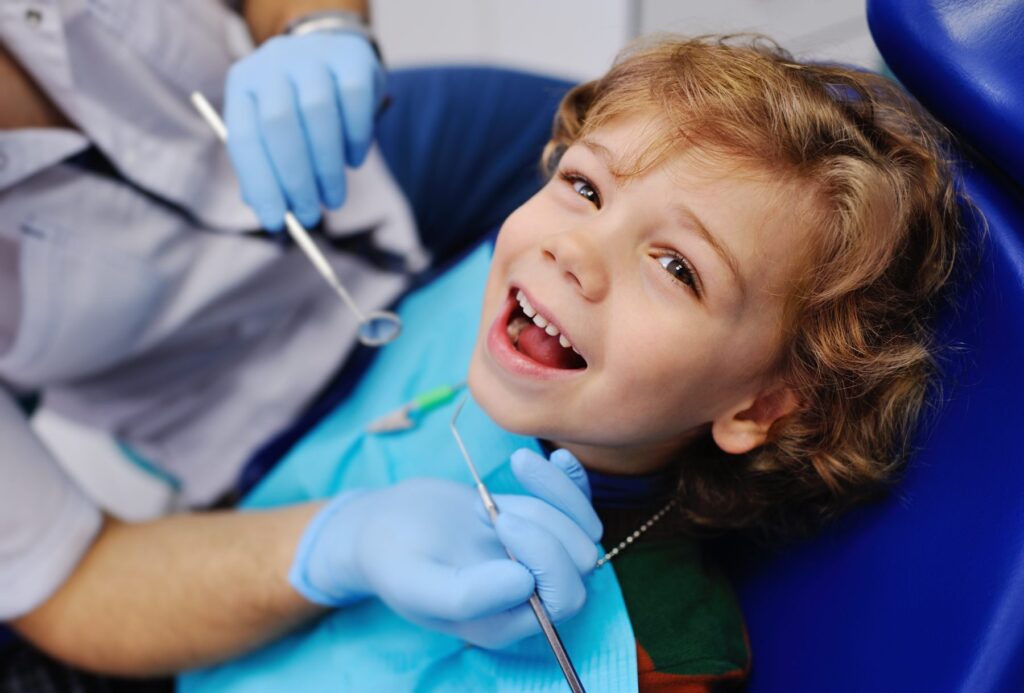
What Age Should a Child Have Their First Dental Visit?
Children in LaGrange, NY should have their first dental checkup by their first birthday or within six months after their first tooth appears. This timing follows recommendations from pediatric dentistry and is based on the fact that even tiny teeth can develop problems early.
Bringing a child for an early dental visit helps local families establish good habits and address questions unique to caring for baby teeth. At this age, the checkup is usually brief and focuses on examining tooth development, oral tissue health, and any potential risks. Early visits offer practical, preventative guidance, reducing future dental problems often seen in the region’s seasonal, snack-heavy routines.
Why Is an Early Dental Checkup Important?
An early visit creates a foundation for oral health that can last into adulthood. Even very young children are at risk for tooth decay, especially if they drink milk or juice from a bottle at bedtime or use sippy cups throughout the day. Early dental care in LaGrange can help families:
- Learn how to brush baby teeth effectively
- Get advice on teething, thumb-sucking, and pacifier use
- Spot signs of early cavities or gum issues
- Understand how local water (which may or may not be fluoridated) impacts tooth strength
Because many area households have well water or private wells, it’s especially helpful for parents to discuss fluoride supplements or other preventive measures directly with a licensed dental professional. This local context can make in-home oral care decisions very individual.
How to Prepare a Child for Their First Dentist Visit
Helping children feel comfortable with a new experience is a priority for many parents in LaGrange. For a first dental checkup, keep things simple:
- Schedule the visit during your child’s calmest time of day—often morning, before naps or meals
- Bring along a favorite toy or comfort item
- Let children watch family members brush and care for their own teeth
- Use books or stories about dentists to make it familiar
Answer their questions in clear, reassuring terms. Children often notice parents’ attitudes, so a calm and positive approach can go a long way.
What Happens During the Appointment?
The first checkup is generally short and friendly. Most dentists welcome parents to stay with infants or toddlers during the exam, so children feel secure. The visit typically includes:
- A gentle examination of the mouth, teeth, gums, and jaw
- Checking for signs of decay or problems with growth
- Recommendations for daily tooth care and dietary habits that suit local eating patterns (like how to handle sticky snacks or fruit often packed for school lunches)
- Advice on teething or soothing sore gums

Local weather and seasonal diets can come up in discussion—things like winter breathing habits (mouth vs. nose), or hydration during summer sports—since these can affect oral health in surprising ways.
Common Questions from LaGrange Parents
Is fluoride in our water enough for my child’s teeth?
Many area homes rely on well water with varying levels of naturally occurring fluoride. Since not every household’s supply is fluoridated, a dentist may suggest testing home water and may advise fluoride supplements if appropriate.
Are baby teeth really important if they fall out later?
Primary teeth hold space for permanent teeth and play a key role in speech and nutrition. Cavities or early loss can affect chewing, cause pain, or lead to crowding or misalignment that lasts for years.
What if my child is scared?
Most children’s dental providers are skilled at calming fears and introducing tools in a gentle, playful way. Parents can help by talking about the visit as a special milestone rather than a stressful chore.
How often should children come back?
After the first dental appointment, most children benefit from checkups every six months. This keeps small problems from becoming bigger, especially as new teeth appear or children’s diets change with the seasons.
Misconceptions About Early Dental Care
Some families in LaGrange delay dental visits because they think baby teeth aren’t vulnerable or that home brushing alone is enough. However, cavities can form soon after teeth appear. Even diligent parents may overlook tricky spots or signs of decay.
Other times, adults believe only children with obvious dental issues (like visible decay or pain) need early visits. Preventative guidance, though, is much more effective when started before problems develop—particularly in communities where local food, water, or sports habits shape everyday routines.
Practical Tips for LaGrange Families
- Brush your child’s teeth twice daily with a soft, child-size toothbrush and a small amount of fluoride toothpaste (about the size of a grain of rice for children under 3)
- Avoid letting babies fall asleep with bottles of milk, formula, or juice
- Discourage constant sipping of sweet drinks or frequent snacking, which is common during long indoor winters or active summer days in the area
- Familiarize children with the idea of dental care well before the first visit
Checking off this milestone not only supports a child’s health but also makes future dental visits easier—helping families throughout LaGrange raise confident, healthy kids with strong smiles.