

 See My Latest Article on HelloNation
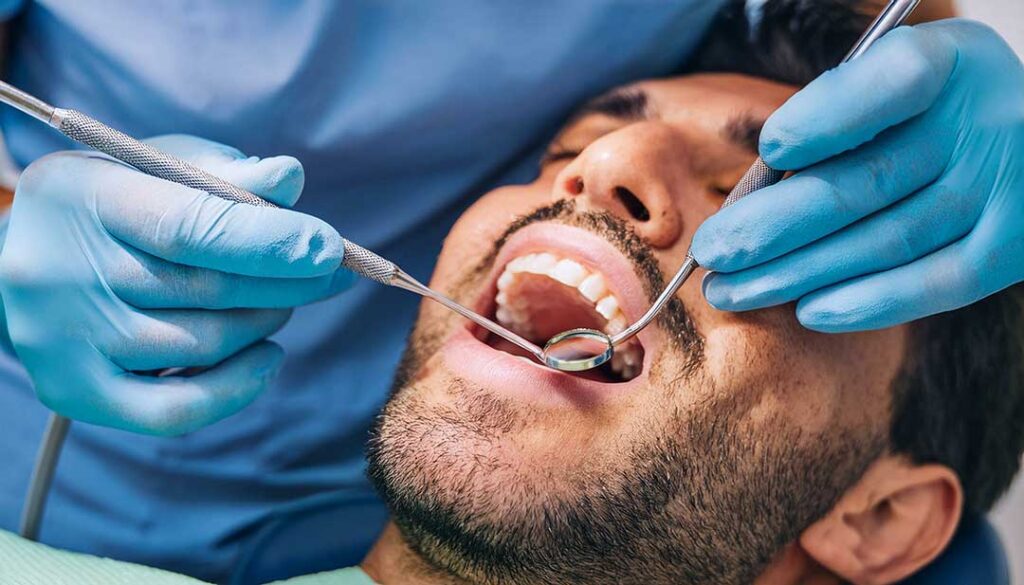
What is gum disease?
Gum disease is an infection and inflammation of the tissues that surround and support the teeth. It usually begins when plaque—a sticky film containing bacteria—remains along the gumline and between teeth.
The earliest stage is called gingivitis. Gums may become red, swollen, tender, or likely to bleed during brushing or flossing. Gingivitis can often be reversed with consistent daily cleaning and removal of hardened buildup.
If inflammation continues, gum disease can progress to periodontitis. This more advanced condition can damage the tissues and bone that hold teeth in place. Periodontitis cannot simply be brushed away, but it can often be controlled with appropriate dental care and improved home habits.
What causes gum disease?
The main cause is plaque that is not regularly removed. Within a short time, plaque can harden into tartar, also called calculus. Tartar cannot be removed safely with an ordinary toothbrush and can create rough surfaces where more bacteria collect.
Other factors can increase risk:
- Smoking or using other tobacco products
- Diabetes that is not well controlled
- Dry mouth caused by medications, illness, or dehydration
- Hormonal changes during pregnancy or other life stages
- Certain medications that affect gum tissue or saliva flow
- Family history and individual susceptibility
- Difficulty brushing or cleaning between teeth because of arthritis, limited movement, or other health conditions
- High stress, which may affect immune function and daily oral-care routines
Gum disease is not caused by poor hygiene alone. Two people with similar brushing habits may have different risks because of genetics, medical conditions, medications, or tobacco exposure.
How can someone tell if gum disease is developing?
Bleeding is one of the most common early warning signs, but gum disease can also develop with few noticeable symptoms. Gums may not hurt even when inflammation is causing gradual damage.
Possible signs include:
- Gums that bleed during brushing or cleaning between teeth
- Red, swollen, shiny, or tender gum tissue
- Persistent bad breath or a bad taste
- Gums pulling away from the teeth
- Teeth that look longer because the gums have receded
- New sensitivity to hot or cold foods
- Loose teeth or changes in how teeth fit together
- Pain or difficulty while chewing
- Changes in the fit of a partial denture
Bleeding should not automatically be dismissed as a sign that flossing is too aggressive. Gentle cleaning may cause some bleeding when inflamed gums are first cleaned, but ongoing or heavy bleeding deserves evaluation.
Is gum disease reversible?
Gingivitis is generally reversible when plaque and tartar are addressed and daily cleaning improves. The gums may become healthier over several days or weeks, depending on the severity of inflammation and the consistency of care.
Periodontitis is different. Once supporting bone has been lost, it does not naturally grow back in the same way. Treatment can reduce infection, slow further damage, and help preserve the teeth. Early attention is especially useful because advanced disease may require more involved treatment.
A lack of pain does not mean that gum disease is harmless. Periodontitis can progress quietly, which is why routine examinations matter even when the mouth feels normal.
What daily habits help prevent it?
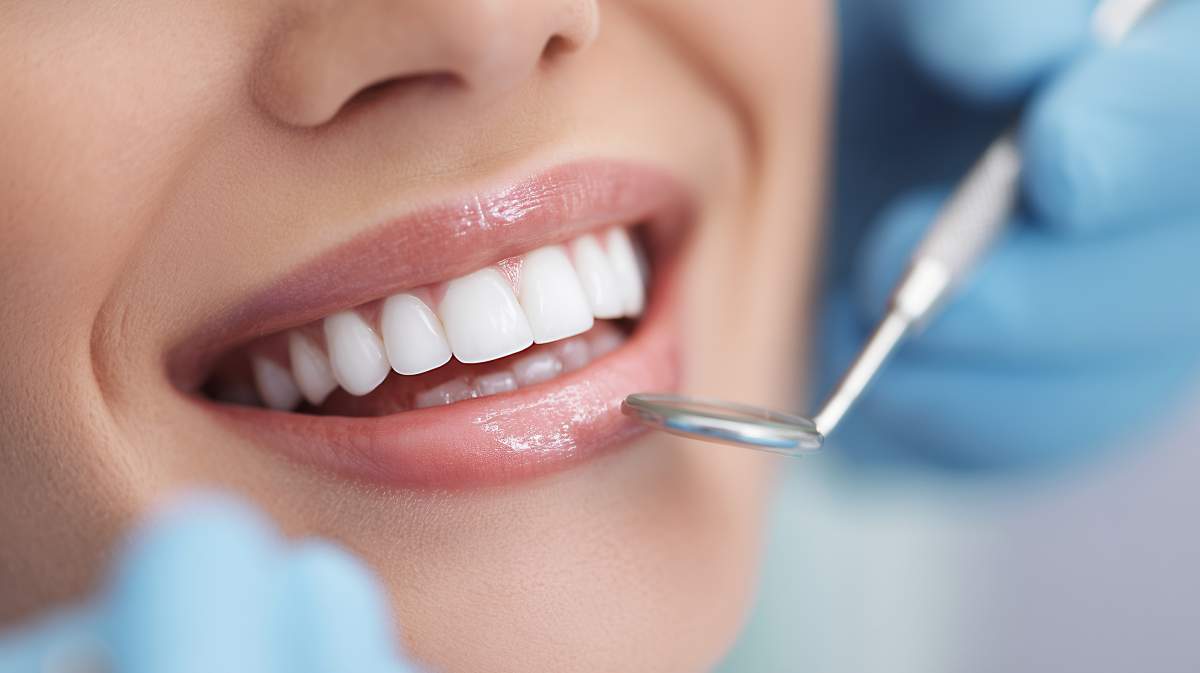
The most effective prevention plan combines cleaning at home with periodic dental examinations and cleanings.
Brush twice a day
Use a soft-bristled toothbrush and fluoride toothpaste. Aim for about two minutes, gently angling the bristles toward the gumline. Scrubbing harder does not clean better and may irritate the gums or contribute to recession.
A manual or powered toothbrush can work well when used consistently. Replace the brush or brush head when the bristles become worn, usually every few months or sooner after illness if it is visibly damaged.
Clean between the teeth every day
A toothbrush cannot reach all the surfaces between teeth. Floss, small interdental brushes, or another suitable cleaning aid can remove plaque from those areas.
The best tool is the one that fits comfortably and can be used consistently. People with bridges, braces, crowded teeth, or larger spaces between teeth may need a different method than someone with closely spaced teeth.
Avoid tobacco
Smoking and smokeless tobacco significantly increase the risk of gum disease and can make healing more difficult. Tobacco can also reduce obvious signs such as bleeding, meaning disease may be present even when the gums appear less inflamed.
Stopping tobacco use benefits the gums at any age. Support from a medical professional or a tobacco-cessation program may be useful for people who want to quit.
Manage health conditions
Diabetes and gum disease can affect each other. Keeping blood sugar within the target range may reduce oral-health complications, while treating gum inflammation can support overall disease management.
People taking medications that cause dry mouth should ask whether alternatives are available. Drinking water regularly, limiting alcohol, and using sugar-free gum when appropriate may help stimulate saliva. In LaGrange, indoor heating during cold months can make the mouth feel drier for some residents, so maintaining hydration can be especially helpful during winter.
Choose a balanced eating pattern
Frequent sugary snacks and sweetened drinks support harmful oral bacteria and can make plaque-related problems more likely. Regular meals, water between meals, and nutrient-dense foods are generally kinder to the teeth and gums than continual sipping or grazing on sweet foods.
How often are dental visits needed?
There is no single schedule that fits everyone. Some adults may need routine preventive visits once or twice a year, while others require more frequent monitoring because of periodontitis, diabetes, tobacco use, pregnancy, dry mouth, or a history of rapid tartar buildup.
During an examination, a dental professional may look for bleeding, recession, pockets around the teeth, tartar, changes in the bite, and signs of bone loss. These findings help determine whether home care alone is sufficient or whether additional treatment is needed.
Children, older adults, people with dentures, and those with limited hand mobility may need specific adjustments to their oral-care routine rather than simply being told to brush more often.
When should gum symptoms be checked promptly?
Arrange a dental evaluation if bleeding continues despite gentle daily cleaning, or if there is persistent swelling, pus, bad breath, loose teeth, increasing sensitivity, or pain when chewing. Prompt attention is also appropriate when a tooth suddenly feels mobile or the bite changes.
Severe facial swelling, fever, difficulty swallowing, or trouble breathing can indicate a spreading infection and requires urgent medical attention.
Good gum health depends less on a single product or technique than on regular removal of plaque, attention to risk factors, and early response to changes. A consistent routine can help protect the gums through seasonal changes, busy household schedules, and the normal aging process.