

 See My Latest Article on HelloNation
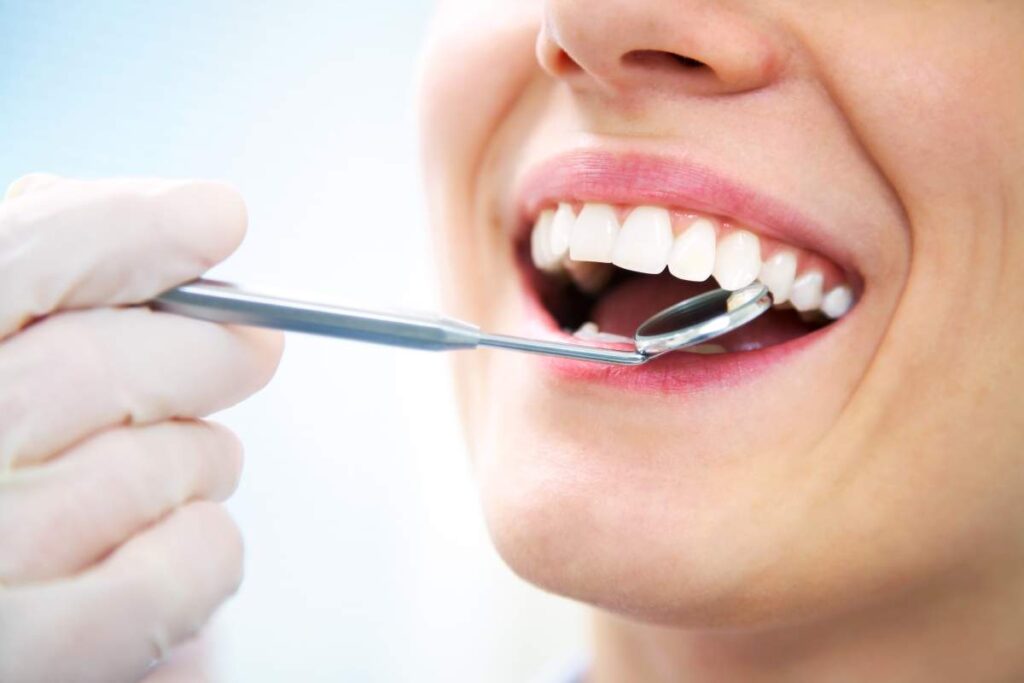
What causes teeth to become stained?
Teeth can darken for several reasons, and not all discoloration is the same. Surface stains, sometimes called extrinsic stains, develop when colored substances collect on the enamel. Deeper or intrinsic discoloration occurs within the tooth and may be related to aging, injury, certain medications, enamel changes, or previous dental treatment.
Common causes of surface staining include:
- Coffee, tea, cola, and dark fruit beverages
- Red wine and richly colored foods
- Tobacco and nicotine products
- Plaque that remains on the teeth
- Infrequent brushing or cleaning between teeth
- Some iron-containing products or medications
The natural tooth color also changes with age. Enamel gradually becomes thinner, allowing the naturally darker dentin underneath to show through. That change cannot always be prevented, but good daily habits can slow additional discoloration.
Which daily habits help prevent staining?
The most reliable protection comes from consistent plaque control and limiting repeated exposure to strongly colored foods and drinks. Brushing twice a day for two minutes with fluoride toothpaste helps remove the film that allows stains to cling to enamel while also protecting against cavities.
Cleaning between the teeth once a day matters because toothbrush bristles cannot reach every surface. Plaque left between teeth can contribute to dull-looking areas, gum inflammation, and discoloration near the gumline.
A practical routine includes:
- Brush gently with a soft-bristled toothbrush.
- Use fluoride toothpaste morning and evening.
- Clean between teeth with floss, interdental brushes, or another suitable device.
- Replace a worn toothbrush or brush head.
- Rinse the mouth with water after strongly colored foods or drinks.
- Avoid brushing aggressively, which can wear enamel or irritate the gums.
Whitening toothpaste may help remove some surface stains because it contains mild polishing ingredients. It does not change the natural internal color of a tooth and cannot remove every type of discoloration.
How can coffee and tea drinkers reduce staining?
Coffee and tea do not have to be eliminated to reduce staining. Frequency and contact time often matter more than a single occasional drink.
Residents who rely on a morning coffee or tea routine can reduce exposure by:
- Drinking the beverage during a meal or within a shorter period rather than sipping it all day
- Rinsing with plain water afterward
- Using a straw for cold, noncarbonated beverages when practical
- Avoiding added sugar, which increases cavity risk even though it does not directly cause the color of a stain
- Waiting before brushing if the drink or accompanying food is acidic
Acidic beverages can temporarily soften the enamel surface. Brushing immediately after them may increase wear, especially with forceful technique. Rinsing with water first and brushing later gives saliva time to help restore the mouth’s normal balance.
Seasonal habits can also affect staining. Cold-weather routines may include more hot coffee, tea, cocoa, or red wine, while summer schedules may involve frequent iced coffee and dark sports or soft drinks. Keeping water nearby throughout the day is useful in every season.
Does tobacco cause tooth discoloration?
Yes. Cigarettes, cigars, pipe tobacco, and smokeless tobacco can stain teeth yellow, brown, or gray. Tobacco also increases the risk of gum disease, delayed healing, bad breath, and oral cancer.
Stopping tobacco exposure is the most effective way to prevent new tobacco stains and protect oral health. Whitening treatments may have limited or temporary results if tobacco use continues because new discoloration can develop quickly.
Nicotine pouches and other newer products should not automatically be considered harmless to the mouth. Some can irritate gum tissue, contribute to recession, or create localized changes where the product is held. Avoiding tobacco and nicotine products supports both appearance and long-term oral health.
Can water, gum, or rinsing help?
Plain water can reduce the amount of pigment and food residue left on the teeth. Drinking water after coffee, tea, dark berries, tomato-based foods, or colored beverages is a simple habit that fits into most routines.
Sugar-free gum may help stimulate saliva after meals. Saliva naturally helps clear food particles and neutralize acids. Gum should not replace brushing and cleaning between the teeth, and people with jaw pain may need to avoid excessive chewing.
A cosmetic mouth rinse may temporarily freshen breath, but it cannot remove established stains. Some rinses can contribute to discoloration depending on their ingredients or how they are used. A fluoride rinse may be helpful for certain people at higher risk of cavities, but it should be selected for oral-health needs rather than color alone.
Are whitening strips and home remedies safe?
Whitening products can reduce some stains, but they are not appropriate for every person or every tooth. Whitening generally works best on natural enamel. It may not change the color of crowns, fillings, veneers, or other tooth-colored restorations, which can lead to uneven shades.
Temporary sensitivity or gum irritation can occur, especially when products are used too often or left in place longer than directed. Follow package instructions and avoid combining several whitening products at once.
Household remedies such as lemon juice, vinegar, charcoal powders, baking soda scrubs, or oil pulling are not reliable ways to whiten teeth. Acidic substances can erode enamel, while abrasive powders may wear the surface and make teeth appear more yellow over time. Enamel does not grow back once it has been lost.
A whitening toothpaste carrying the American Dental Association Seal of Acceptance can be a reasonable option for removing surface stains when used as directed. It still should not be treated as a substitute for fluoride protection or routine oral hygiene.
When might discoloration signal a dental problem?
A stain that appears suddenly, affects only one tooth, or does not improve with normal cleaning deserves attention. Brown, gray, or black areas may sometimes indicate tooth decay, a cracked tooth, an old filling, or damage beneath the enamel rather than a simple surface stain.
Other signs that should not be ignored include:
- Pain or sensitivity
- Bleeding or swollen gums
- A rough area that catches floss
- A white, brown, or dark spot that is growing
- A tooth that turns gray after an injury
- Persistent bad taste or odor
Children can develop enamel discoloration for different reasons, including excessive fluoride ingestion while teeth are forming, illness, injury, or developmental changes. Abrasive whitening products are not appropriate for children unless specifically recommended for their situation.
For households in LaGrange, regular preventive dental care can help distinguish removable surface staining from changes that require treatment. A cleaning may remove hardened deposits and external stains, while deeper discoloration requires identifying and addressing the underlying cause.
How can families maintain a naturally brighter smile?
A naturally brighter smile usually reflects healthy enamel, clean tooth surfaces, and healthy gums rather than a specific shade of white. Families can support that result by keeping fluoride toothpaste available, supervising young children’s brushing, limiting frequent sugary drinks, choosing water between meals, and making daily cleaning part of the household routine.
Staining prevention is most effective when it is paired with cavity prevention. Protecting enamel from acid, plaque, tobacco, and excessive abrasion helps preserve both the appearance and strength of the teeth.